Blog

  • Retinol: The Anti-Aging Ingredient That Actually Works

    retinol-anti-aging

    Among all the anti-aging ingredients on the market, retinol has the most robust scientific backing. Decades of clinical research confirm its ability to reduce fine lines, improve skin texture, fade hyperpigmentation, and boost collagen production. It’s not hype; it’s genuinely effective.

    What Is Retinol?

    Retinol is a derivative of vitamin A that belongs to the retinoid family. When applied topically, it’s converted to retinoic acid in the skin, which then accelerates cell turnover and stimulates collagen synthesis. This dual action is what makes retinoids so effective for both anti-aging and acne treatment.

    The Retinoid Ladder

    Over-the-counter retinol is the gentlest option, making it ideal for beginners. As your skin builds tolerance, you can progress to retinaldehyde (retinal), which is one conversion step closer to retinoic acid and therefore more potent. Prescription options like tretinoin offer the strongest results but require a doctor’s guidance.

    How to Start

    The “retinization” process requires patience. Start by applying a pea-sized amount 2-3 nights per week, after cleansing and before moisturizer. Expect some dryness, flaking, and mild irritation for the first few weeks. This is normal, not a sign to stop. Gradually increase frequency as your skin adapts.

    Critical Rules

    Never use retinol during the day. It can make your skin more sensitive to sunlight. Always pair it with a good moisturizer to support your barrier. Avoid using retinol with other strong actives like AHAs on the same night. And be consistent. The real benefits of retinol appear after 12 weeks of regular use.
  • Sheet Masks: Luxury or Necessity?

    sheet-masks-luxury-necessity

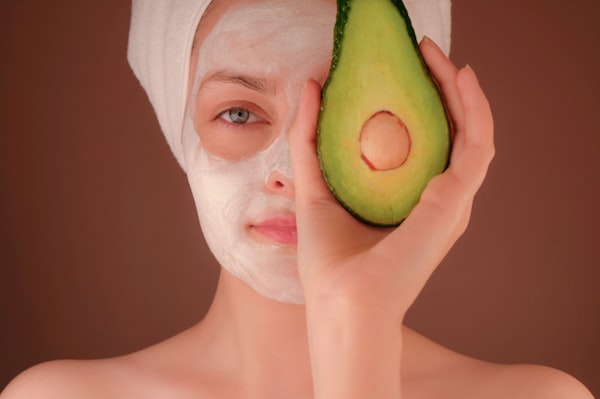
    Sheet masks have become synonymous with the K-beauty trend, promising spa-quality results in a convenient, affordable package. But with prices ranging from $2 to $50 per mask, are they worth incorporating into your routine, or are they just an Instagram-worthy indulgence?

    What Sheet Masks Actually Do

    A sheet mask creates a temporary occlusive barrier on your skin, forcing the serum it’s soaked in to penetrate more deeply than it would if simply applied from a bottle. This increased absorption can deliver a noticeable boost of hydration and active ingredients in a short period of time.

    The Benefits

    Immediate hydration is the most consistent benefit. Even a basic hyaluronic acid sheet mask can make skin look plumper and more radiant within 20 minutes. They’re also convenient for travel or as a weekly pick-me-up. Some masks contain beneficial ingredients like vitamin C, niacinamide, or ceramides.

    The Limitations

    The effects are temporary. A sheet mask won’t replace your daily moisturizer or treatment products. The ingredient concentrations are often lower than in standalone serums. And many sheet masks contain fragrance and preservatives that can irritate sensitive skin.

    How to Get the Most Out of Sheet Masks

    Apply after cleansing and before heavier products. Leave on for 15-20 minutes, then pat in the remaining serum rather than washing it off. Use them 1-2 times per week as a supplement to your regular routine, not a replacement. If you have sensitive skin, opt for fragrance-free options with simple ingredient lists.

  • The Best Ingredients for Dark Spots and Hyperpigmentation

    dark-spots-ingredients

    Dark spots, also known as hyperpigmentation, are one of the most common skincare complaints. Whether caused by sun exposure, acne scars, hormonal changes, or inflammation, these areas of excess melanin can be stubborn to treat. Here are the most effective ingredients backed by clinical research.

    Vitamin C

    Ascorbic acid inhibits melanin production and provides antioxidant protection. Regular use brightens existing dark spots and prevents new ones from forming. For best results, use a vitamin C serum in the morning under sunscreen. Look for concentrations of 10-20% with a stable formulation.

    Niacinamide

    Vitamin B3 is a multitasker that also blocks melanin transfer from melanocytes to skin cells. It’s particularly effective for post-inflammatory hyperpigmentation (those dark marks left behind after acne). Unlike some other treatments, niacinamide is well-tolerated by most skin types and can be combined with other actives.

    Alpha Arbutin

    A gentler alternative to hydroquinone, alpha arbutin works by slowly releasing hydroquinone, which inhibits tyrosinase, the enzyme responsible for melanin production. It’s effective but takes time to show results, typically 8-12 weeks of consistent use.

    Retinoids

    Retinol and prescription retinoids accelerate cell turnover, helping to shed pigmented skin cells more quickly. They also stimulate collagen production, which can improve the overall texture and tone of your skin. Start with over-the-counter retinol and gradually increase strength.

    The Most Important Step

    No ingredient will work if you don’t protect your skin from further UV damage. Daily sunscreen use is essential for treating hyperpigmentation. Without it, UV rays will continue to stimulate melanin production, counteracting the effects of any treatment product.

  • 5 Skincare Myths Dermatologists Want You to Stop Believing

    skincare-myths

    The skincare world is full of advice, but not all of it is good advice. Some commonly repeated “facts” are actually myths that could be harming your skin. Here are five that dermatologists hear most often, and the truth behind them.

    Myth 1: “You Only Need Sunscreen on Sunny Days”

    UV rays penetrate clouds and glass. Up to 80% of UV radiation reaches your skin on cloudy days. If you sit near a window at work, you’re getting UV exposure indoors. Sunscreen should be part of your daily routine, 365 days a year, regardless of weather.

    Myth 2: “Pores Open and Close”

    Pores don’t have muscles. They can’t open and close like doors. What changes is their apparent size. When pores are clogged with oil and dead skin, they stretch and appear larger. When clean, they look smaller. Steam doesn’t “open” pores, though it can soften debris, making it easier to remove.

    Myth 3: “Natural Means Better for Your Skin”

    Poison ivy is natural. Being derived from plants doesn’t make an ingredient safe or effective. Many natural ingredients (like essential oils and citrus extracts) are highly irritating. Conversely, synthetic ingredients can be perfectly safe and well-tolerated. Safety depends on the specific ingredient and its concentration, not its origin.

    Myth 4: “Drinking More Water Hydrates Your Skin”

    While staying hydrated is important for overall health, drinking extra water won’t necessarily improve dry skin. Skin hydration is primarily determined by your skin barrier function and the moisturizers you apply topically. The water you drink goes to your internal organs first.

    Myth 5: “Expensive Products Work Better”

    Price is not an indicator of efficacy. Many drugstore products contain the same active ingredients at effective concentrations as their luxury counterparts. What matters is the ingredient list and the formulation, not the packaging or brand name.

  • How Climate Affects Your Skincare Routine

    climate-skincare

    Your skin’s needs change with the seasons and your environment. The lightweight gel moisturizer that works perfectly in humid summer might leave your skin painfully dry during winter. Understanding how climate affects your skin is key to maintaining a healthy complexion year-round.

    Hot and Humid Climates

    In hot, humid weather, your skin produces more sebum, leading to a shinier appearance and increased breakouts. Switch to lighter formulations: gel cleansers, water-based serums, and oil-free moisturizers. Don’t be tempted to skip moisturizer entirely, as your skin still needs hydration. Look for mattifying ingredients like niacinamide and clay.

    Cold and Dry Climates

    Cold air holds less moisture, and indoor heating further strips hydration from your skin. Switch to richer cream cleansers and thicker moisturizers. Add hydrating serums with hyaluronic acid, and consider using a humidifier in your bedroom. Avoid harsh exfoliants that can compromise your already-stressed skin barrier.

    High Altitude

    At higher altitudes, UV radiation is stronger and the air is drier. UV protection becomes even more critical. Increase your moisturizer’s richness and apply it more frequently throughout the day.

    Pollution-Heavy Areas

    If you live in a city with high pollution levels, your skin is constantly exposed to particulate matter that can accelerate aging and trigger inflammation. Antioxidant serums (vitamin C, niacinamide) provide a protective buffer. Thorough evening cleansing to remove pollution particles is essential. Consider using a cleansing oil to ensure complete removal.

  • Benzoyl Peroxide vs Salicylic Acid: The Acne Battle

    bp-vs-salicylic-acid

    When it comes to over-the-counter acne treatments, benzoyl peroxide and salicylic acid are the two most popular active ingredients. They’re both effective, but they work in completely different ways and are suited to different types of acne.

    Benzoyl Peroxide

    This powerful ingredient kills acne-causing bacteria (C. acnes) on contact. Unlike antibiotics, bacteria don’t develop resistance to benzoyl peroxide, making it a reliable long-term treatment. It also has mild comedolytic properties, meaning it helps prevent clogged pores.

    Best for: inflammatory acne (red, tender, pus-filled pimples). Available in concentrations from 2.5% to 10%. Studies show 2.5% is just as effective as higher concentrations with significantly less irritation.

    Salicylic Acid

    A beta hydroxy acid (BHA) that’s oil-soluble, allowing it to penetrate into pores and dissolve the mixture of sebum and dead skin cells that causes blackheads and whiteheads. It also has anti-inflammatory properties.

    Best for: comedonal acne (blackheads and whiteheads), enlarged pores, and oily skin. Available in 0.5% to 2% concentrations in cleansers, toners, and spot treatments.

    Can You Use Both?

    Yes, but not at the same time. A common approach is to use a salicylic acid cleanser in the morning and benzoyl peroxide as a spot treatment in the evening. Start slowly and watch for signs of over-drying or irritation.

    The Bottom Line

    If your acne is mostly blackheads and whiteheads, salicylic acid should be your first choice. If you have inflamed, red pimples, benzoyl peroxide is more appropriate. Many people benefit from using both as part of a comprehensive routine.

  • The Complete Guide to Serums: What They Really Do

    complete-serum-guide

    Serums are the workhorses of any skincare routine. These concentrated formulations deliver active ingredients deep into the skin in ways that heavier creams cannot. But with so many options on the market, understanding which serums to use and when can be confusing.

    What Makes Serums Different?

    Unlike moisturizers, which are designed to hydrate and seal in moisture, serums are formulated with smaller molecules and higher concentrations of active ingredients. This allows them to penetrate deeper into the skin. They’re typically lightweight, fast-absorbing, and targeted to address specific concerns.

    Key Serum Ingredients

    Vitamin C serums brighten skin, boost collagen production, and provide antioxidant protection. Apply in the morning before sunscreen for maximum benefit. Retinol serums accelerate cell turnover, making them ideal for evening use. Hyaluronic acid serums attract and hold moisture, great for all skin types. Niacinamide serums address multiple concerns including pores, uneven tone, and fine lines.

    How to Layer Serums

    The general rule is to apply from thinnest to thickest consistency. Water-based serums go before oil-based ones. Wait 60 seconds between each serum to allow proper absorption. Don’t mix too many actives at once. If you’re using vitamin C in the morning, save retinol for evening. Layering competing acids can cause irritation without additional benefit.

    Do You Actually Need One?

    If your skin is generally healthy and you’re happy with your results from a basic cleanser-moisturizer-sunscreen routine, a serum isn’t mandatory. But if you have specific concerns like dark spots, fine lines, or persistent acne, a targeted serum can make a noticeable difference.

  • Popping Pimples: What Actually Happens to Your Skin

    popping-pimples-effects

    We’ve all been there. A pimple appears at the worst possible time, and the urge to squeeze it is almost irresistible. But dermatologists have been warning us for years about the dangers of popping pimples. Understanding what actually happens when you squeeze a pimple might help you resist the temptation.

    What Happens When You Pop a Pimple

    When you apply pressure to a pimple, the contents (pus, dead skin cells, and bacteria) can be pushed in multiple directions. Some of it comes out, but some gets pushed deeper into the skin. This can spread the infection to surrounding tissues, creating more breakouts.

    Risk of Scarring

    Every time you pick at your skin, you risk damaging the tissue beneath. This damage can result in post-inflammatory hyperpigmentation (dark marks that linger for months) or permanent atrophic scars (those indented ice pick, boxcar, or rolling scars). These scars are notoriously difficult to treat and often require professional procedures.

    Infection Risk

    Your fingers carry bacteria, even after washing. Introducing additional bacteria to an already inflamed pore can worsen the infection. In rare cases, picking at a pimple on your face can lead to serious complications, especially in the “danger triangle” area around your nose, where infections can spread to the brain.

    What to Do Instead

    Apply a hydrocolloid patch to absorb the pus naturally without damaging surrounding tissue. Use a spot treatment with benzoyl peroxide or salicylic acid to speed up healing. If the pimple has a visible whitehead and you absolutely must extract it, use a sterilized comedone extractor tool, not your fingers, and apply gentle pressure only.

  • Double Cleansing: Is It Worth the Extra Step?

    double-cleansing-guide

    Double cleansing originated in Korean beauty and has since become a global skincare phenomenon. The method involves using two cleansers: first an oil-based cleanser to remove makeup, sunscreen, and excess sebum, followed by a water-based cleanser to clean the skin itself. But is this extra step really necessary?

    The Science Behind It

    The concept is based on the principle that “like dissolves like.” Oil-based cleansers effectively break down oil-soluble debris that water alone cannot remove, such as makeup, SPF, pollution particles, and excess sebum. The second cleanse with a water-based formula removes any remaining residue and actually cleanses the skin.

    Who Should Double Cleanse?

    If you wear makeup or heavy sunscreen daily, double cleansing is highly recommended. A single cleanse often isn’t enough to fully remove long-wear foundation, waterproof mascara, or high-SPF formulas. Even if you don’t wear makeup, if you use sunscreen every day (and you should), double cleansing ensures it’s completely removed.

    Who Can Skip It?

    If you have very dry or sensitive skin, double cleansing might strip your barrier too much. And if your evening routine consists of just a lightweight moisturizer with no sunscreen or makeup, a single gentle cleanse is sufficient.

    How to Do It Right

    Start with your oil cleanser on dry skin. Massage gently for 60 seconds, then emulsify with water and rinse. Follow with your water-based cleanser, massaging for another 30-60 seconds. Pat dry, never rub. Your skin should feel clean but not tight or stripped.

  • The Truth About Collagen Supplements for Skin

    collagen-supplements-truth

    Collagen supplements have exploded in popularity, promising everything from smoother skin to stronger nails and healthier hair. Walk into any health store and you’ll find collagen powders, capsules, drinks, and even gummies. But do they actually work?

    The science behind collagen supplementation is more nuanced than the marketing suggests. While there is evidence supporting certain claims, it’s important to understand what collagen can and cannot do for your skin.

    What Is Collagen?

    Collagen is the most abundant protein in your body, providing structure to your skin, bones, tendons, and connective tissue. Think of it as the scaffolding that keeps your skin firm and plump. Your body naturally produces collagen, but production declines by about 1% per year after age 25.

    Do Oral Supplements Work?

    Several clinical trials have shown that hydrolyzed collagen peptides can improve skin elasticity, hydration, and reduce the appearance of wrinkles over 8-12 weeks of consistent use. However, it’s worth noting that many of these studies are funded by collagen supplement manufacturers, which introduces potential bias.

    What the Research Shows

    A 2019 meta-analysis published in the Journal of Cosmetic Dermatology found that oral collagen supplementation significantly improved skin hydration and elasticity. But the effects are modest, not transformative. You won’t look 10 years younger from taking collagen alone.

    More Effective Alternatives

    Retinoids, vitamin C, and sunscreen are all more proven for maintaining collagen in your skin. Topical retinoids actually stimulate your skin to produce more collagen. Consider collagen supplements as a supplementary measure, not a replacement for evidence-based topical treatments.