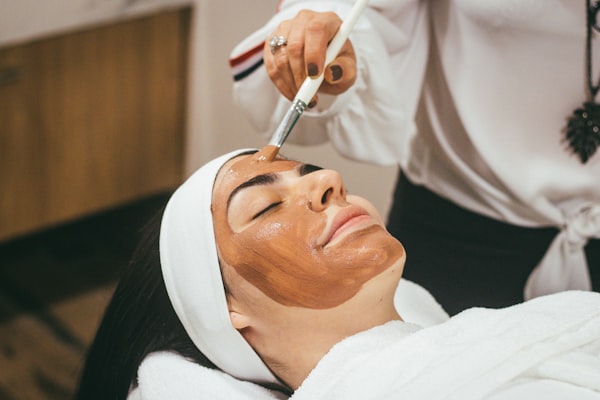
The clean beauty movement has motivated millions to re-examine their skincare choices. But transitioning away from conventional products requires more thought than simply throwing everything away and buying “natural” replacements. Here’s a practical approach to making the switch.
Define What “Clean” Means to You
“Clean beauty” has no standardized definition. For some, it means avoiding synthetic chemicals entirely. For others, it means avoiding specific ingredients like parabens, sulfates, and synthetic fragrances. Decide which criteria matter most to you, then evaluate products against those standards rather than vague marketing claims.
Ingredient Awareness
Learn to read ingredient lists critically. The Environmental Working Group’s Skin Deep database and Think Dirty app help evaluate ingredient safety. Focus on avoiding ingredients with genuine safety concerns rather than those that sound scary but are actually safe in cosmetic concentrations. For example, parabens are among the most extensively studied preservatives with an excellent safety profile.
Transition Gradually
Don’t overhaul your entire routine at once. Introduce clean alternatives one product at a time, starting with products you use in the largest quantities (cleanser, moisturizer, sunscreen). This gives your skin time to adjust and lets you evaluate each new product individually. Finishing existing products before replacing them is also more budget-friendly.
Effective Clean Options
Many clean brands now offer products with proven actives at effective concentrations. Biossance, Drunk Elephant, and Cocokind incorporate ingredients like retinol, vitamin C, and niacinamide in clean formulations. The gap between “clean” and “effective” has narrowed significantly. Your skin doesn’t have to suffer for your principles.